ASTM A36 Steel – Essential Uses, Benefits
Astm a36

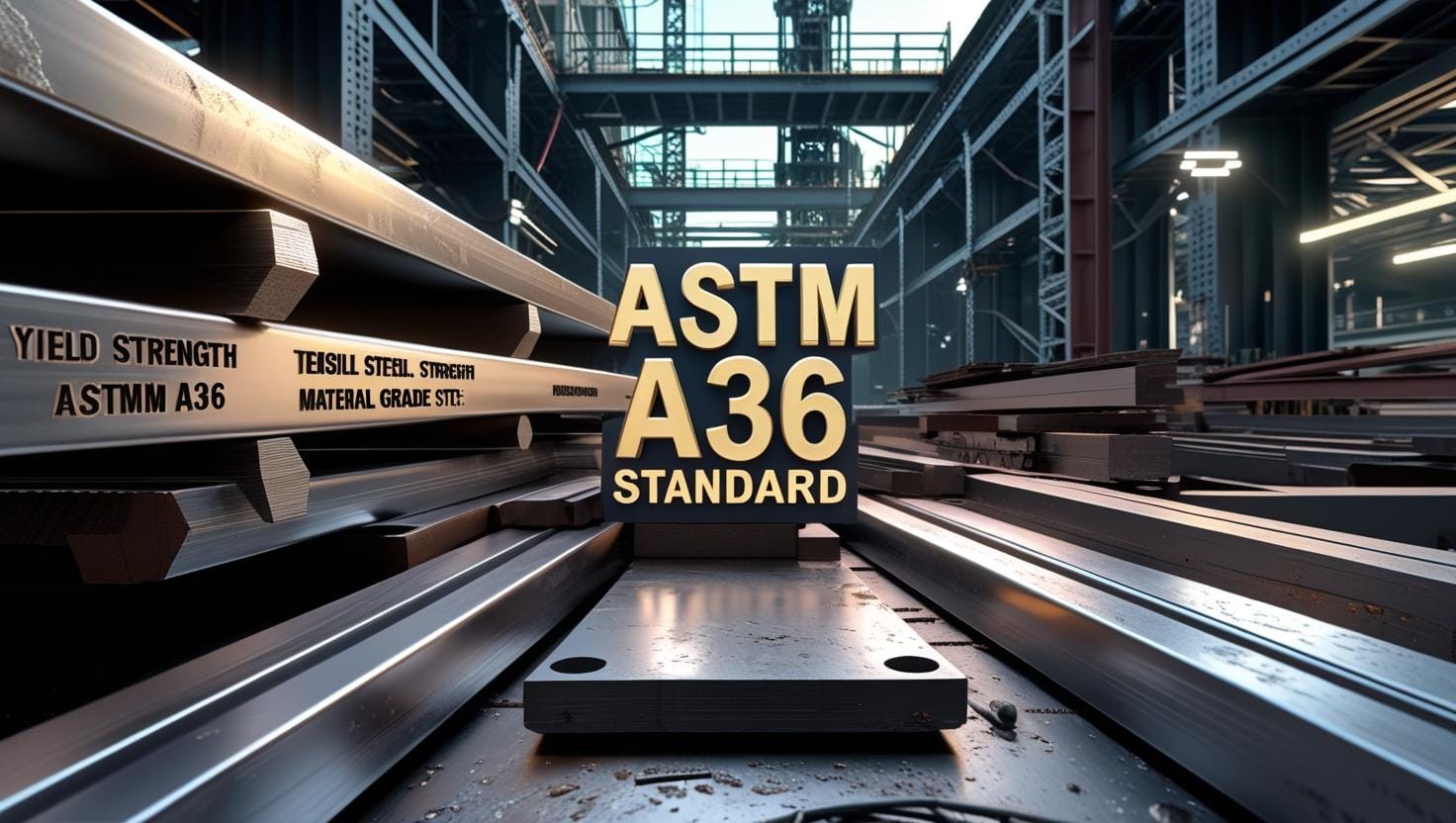
ASTM A36 is one of the most widely used standards for structural steel under the jurisdiction of the American Society for Testing and Materials (ASTM International). ASTM A36 is a standard specification by ASTM International for carbon structural steel, with “A36” indicating a minimum yield strength of 36,000 psi. It specifies the chemical composition, mechanical … Read more
Indian Standards: The Backbone of Oil and Gas Safety

Indian Standards in Oil and Gas

Indian Standards : When it comes to the oil and gas industry in India, there’s a crucial set of guidelines and benchmarks that keep everything running smoothly and safely. These are known as Indian Standards (IS), and they play a vital role in ensuring that exploration, extraction, processing, and transportation of oil and gas are … Read more

what is 42CrMo4 material

42CrMo4 material

42CrMo4 alloy steel is widely utilized in numerous industrial contexts due to its remarkable strength, durability, and wear resistance. It is commonly utilized in engineering components and machinery where high strength and good mechanical properties are required. Breakdown of 42CrMo4 42: The percentage of carbon in the steel. Cr: The percentage of chromium in the … Read more

Essential of ASME Standards: Piping Excellence Explained 2 ways

Asme standard

ASME standard ASME stands for the American Society of Mechanical Engineers. It’s a professional organization that develops consensus technical standards—practical, detailed rules engineers and manufacturers use to design, build, inspect, and operate mechanical equipment safely and reliably. An ASME standard (often called a code) tells you things like: how thick a pressure vessel wall must … Read more

What Is ASME B31.4

What Is ASME B31.4

Asme B31.4: Liquid Transportation Systems For Hydrocarbons, Liquid Petroleum Gas, Anhydrous Ammonia, and Alcohols ASME B31.4, a section of the ASME Pressure Piping Code, outlines the standards for designing, selecting materials, constructing, assembling, inspecting, and testing pipelines that transport liquids. These include crude oil, condensate, natural gasoline, natural gas liquids, liquefied petroleum gas, liquid alcohols, … Read more

Pipe wall thickness: Pipe wall thickness calculations as per ASME B31.3?

Pipe wall thickness calculations: ASME B31.3 is used extensively for offshore facilities. Pipe thickness under internal pressure calculated using equation given by this standard. ASME B31.8 normally used for gas lines in onshore production facilities and when transporting and distributing gas. ASME B31.4 normally used in onshore oil production and is actually subset of ASME … Read more

ASME code used for offshore platforms

Piping ASME code : These are below mentions piping code which are used in  offshore platforms and FPSO. These offshore platforms be wellheads platforms, central processing platforms (CPP) , Tie-In platforms, auxiliary platforms, Living  quarter platforms. Piping asme code ASME B31.3 – 2006 Process Piping This Code contains requirements for piping typically found in petroleum … Read more